Lavatory vs Water Closet: Common Misconceptions Explained


04 September 2025
The confusion between lavatory vs water closet terminology has persisted for decades, leading to miscommunication in construction, real estate, and home improvement contexts. The knowledge of above-mentioned differences is crucial to homeowners, contractors, and all who deal with bathroom design or plumbing work, because the use of correct terms impacts the way building codes are written, not to mention the specifications of the product. In public spaces, you’ll often see signs for public lavatories or WC, which adds even more layers to the confusion.
Historical Origins of Bathroom Terminology
Lavatory meaning traces back to the Latin lavatorium, meaning "a place for washing." Initially, lavatories were the basic facilities of washing, which were present in monasteries and big families consisting of simple basins and a water supply used to maintain personal hygiene.
Such a history of the water closet toilet originates during the 18th century, when more advanced indoor plumbing started to occur. Closet was a small, personal space, whilst the water meant a flushing system that made them different from the previous versions of chamber pots and outdoor facilities. Over time, terms like WC water closet, wc closet, and closet commode became part of professional and casual vocabulary.
The historical contexts justify the reason why the modern use significantly differs amongst regions and professional contexts, inviting continued confusion in the present-day use.
Modern Definition: What Is a Lavatory?
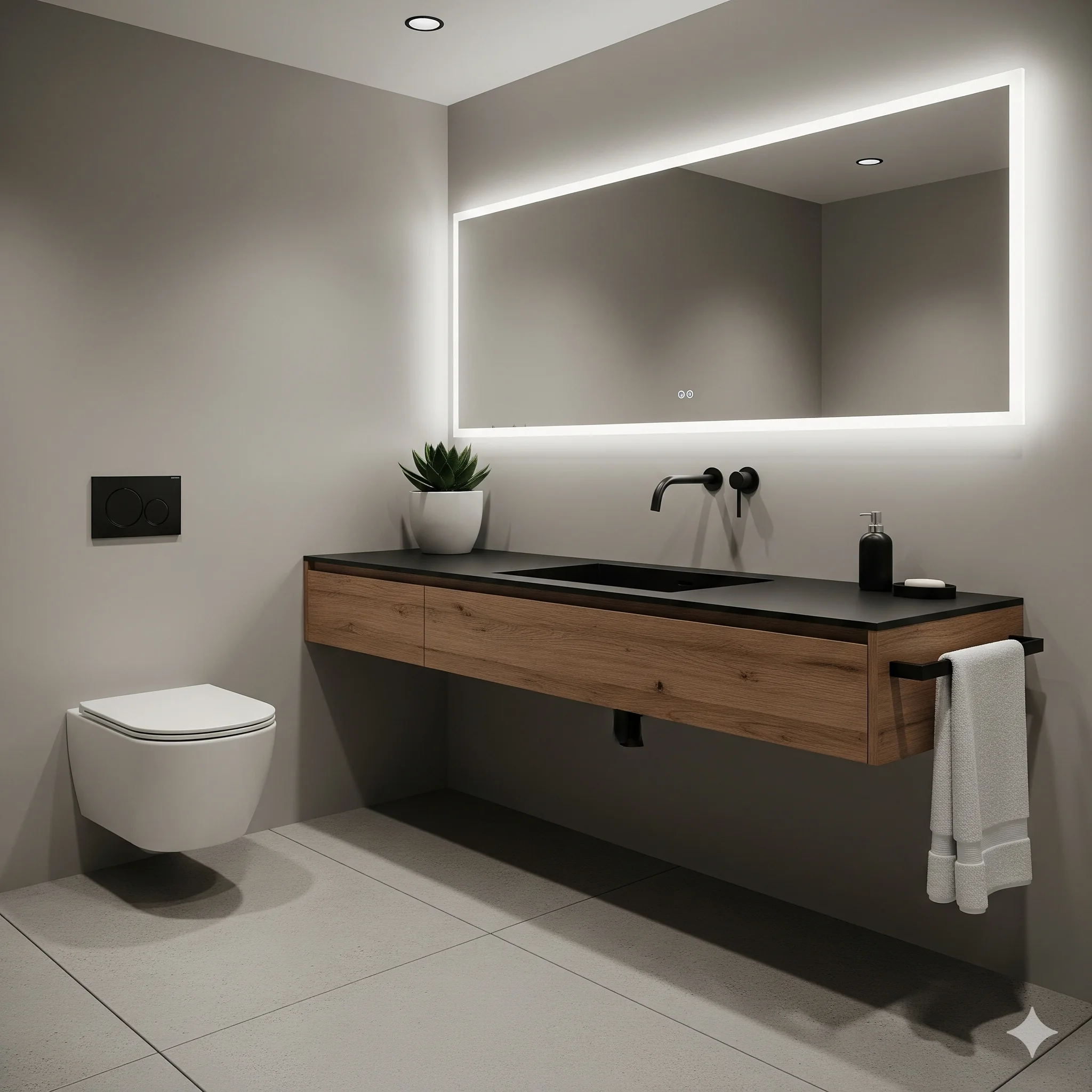
More specifically, in the current terminology of professionals, a lavatory bathroom refers to a bathroom sink or wash basin device/equipment providing hand washing, face washing, and basic hygienic cleaning capabilities. This definition is a commonly accepted plumbing code, architectural specification, and building code definition.
Key lavatory characteristics:
• The primary function is washing and hygiene
• Includes faucet and drainage systems
• Available in various mounting styles
• Sized for hand and face washing
• Often called "bathroom sink" in casual conversation
Professional lavatory applications:
• Residential bathroom installations
• Commercial restroom lavatory facilities
• Healthcare and laboratory settings
• Educational institution washrooms
The term toilet lavatory in professional contexts should not be confused with toilets themselves—it refers to the sink unit, not the water closet.
Water Closet: The Technical Toilet Term
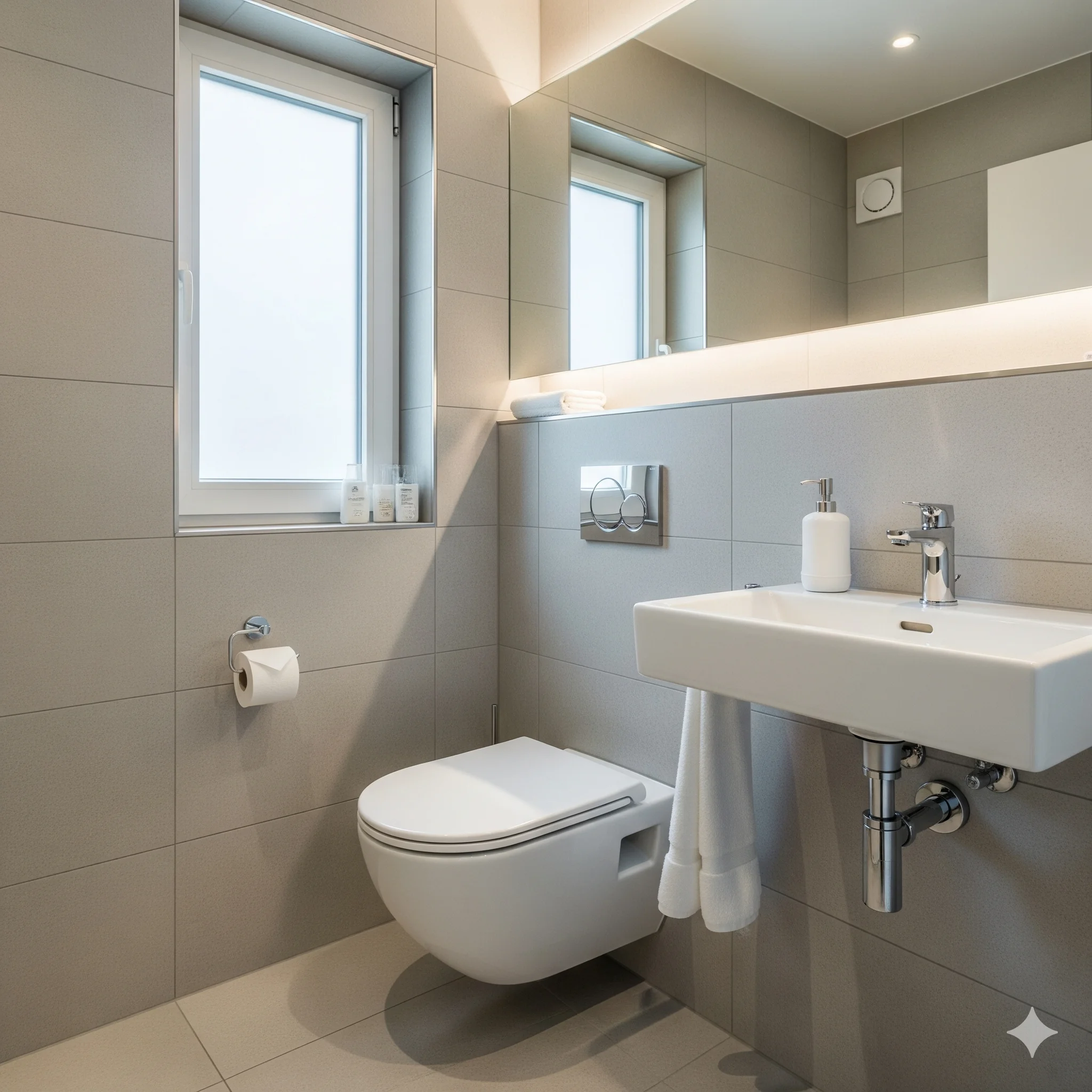
A toilet fixture is known as a water closet in technical terms: it is a toilet with a flushing mechanism and waste extraction system. The term is still common in the plumbing codes, in specifications of buildings, and in professional construction documents.
Water closet components:
• Toilet bowl for waste collection
• Flushing mechanism (tank or valve)
• Waste removal through the drainage system
• Seat and lid assembly
•Mounting hardware and wax ring
When comparing water closet vs toilet, the toilet is commonplace in everyday language, while “water closet” is used in technical or medical terminology. For instance, a bathroom water closet may be specified in blueprints to indicate the precise type of fixture required.
Common Misconceptions About Lavatory and Water Closet
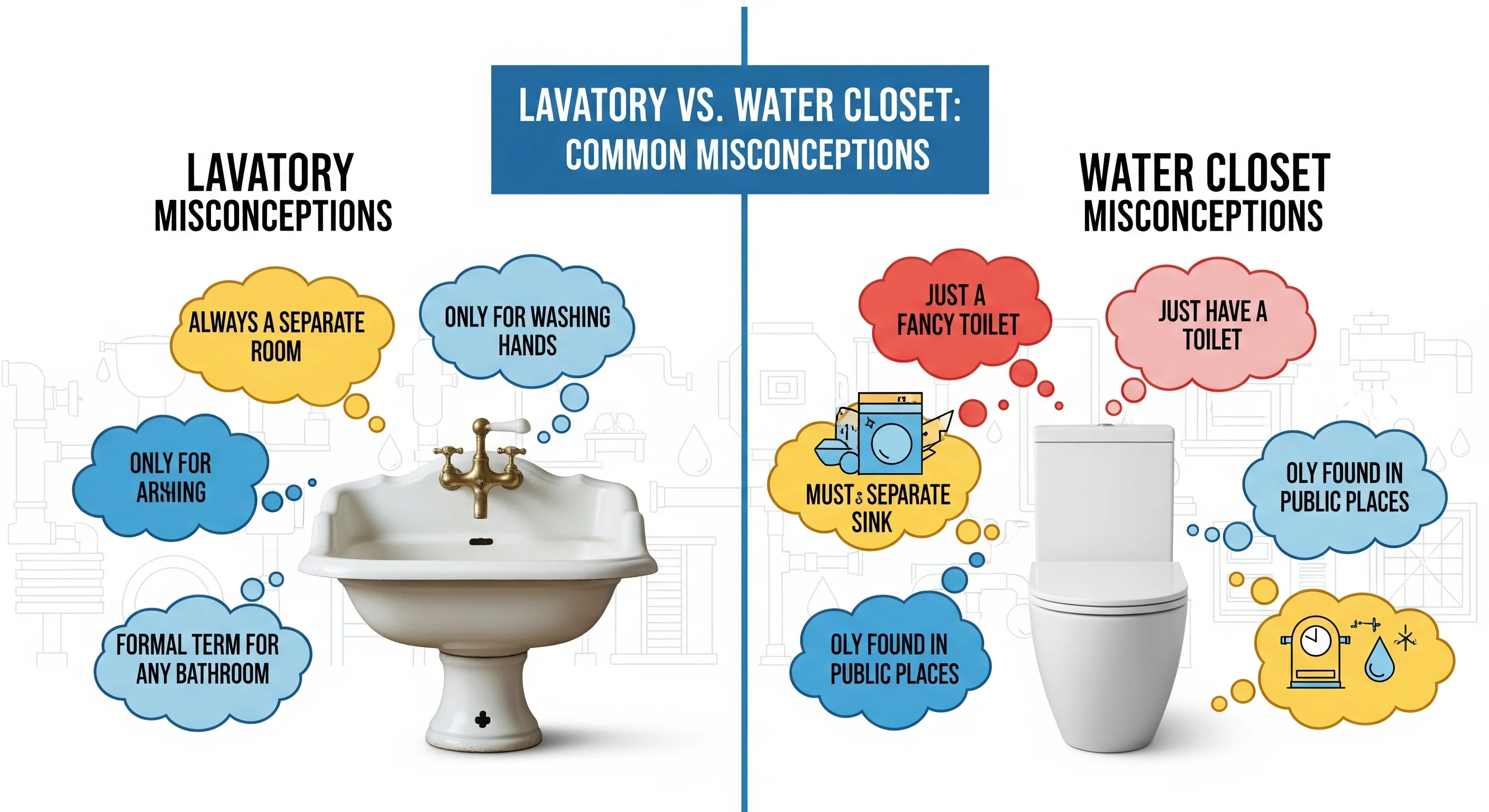
Misconception 1:
Lavatory means the entire bathroom. Socializing the misuse of the word lavatory to mean the entire bathroom or restroom facility by many individuals is the full extent of the bathroom or restroom facility. This misconception has arisen as a result of the misleading place name sign over restrooms to display it as a lavatory, whereas it is just the hand washing sink that is referred to as a lavatory.
Misconception 2:
A Water closet refers to any small bathroom. Others think a water closet is a small bath or powder room. Although water closets may fit in small areas, the term should be clear enough that it is the toilet fixture and not the room.
Misconception 3:
Variations in usage make people think lavatory and water closet mean the same thing. In fact, fixtures like a toilet with lavatory clearly show they are distinct but complementary.
Misconception 4:
Modern terminology makes these terms obsolete. On the contrary, plumbing codes still list one-piece water closet, floor mounted water closet, and wall hung water closet separately for clarity.
Regional Variations in Usage
• American English patterns: The lavatory is widely used in the United States in commercial and aviation settings, but the bathroom sink reigns positively in the residential discourse. while toilet dominates household use. The water closet toilet term stays technical.
• British English distinctions: American professional usage contrasts with British usage, which typically distinguishes lavatory (toilet fixture) and wash basin (sink) and hence the reverse meanings. The WC abbreviation is still prevalent on the signage in Britain and plumbing circles.
• International building standards: Global construction work demands a cautious adherence to differences in terminology because the meaning of the term lavatory in English-speaking regions and International building codes still differentiate between lavatory bathroom fixtures and water closets.
Professional Context: When Precision Matters
The specifications in architecture require wording that is accurate since construction mistakes can be very expensive. When the blueprints say lavatory installation, what this means to the contractors is sink installation, drainage, and water supply connections.
The rule of plumbing code is whether the terminology used in classifying the fixtures, clearance and accessibility elements is standardized. Water closet specifications involve and entail the highly sensitive measurements in compliance with ADA as well as ventilation.
Building documentation makes these terms to distinguish different types of fixtures, the requirements of installation and the cost estimates. Confusion of terminology may result in the wrong order of materials and delays in installing them.
Fixture Specifications and Requirements
Lavatory installation requirements:
• Minimum 21-inch clearance from front edge
• 30-inch minimum width for accessibility
• Proper height mounting for user comfort
• Hot and cold water supply connections
• Adequate drainage and venting
Water closet installation standards:
• 15-inch minimum clearance from centerline to walls
• 21-inch minimum clearance in front of fixture
• Proper floor flange and wax ring installation
• Adequate water supply and waste removal
• Ventilation requirements for odor control
Design Integration: Lavatory and Water Closet Placement
It is important in planning bathroom layout to know how water closets and lavatories work together in a confined room. A toilet with lavatory combination is common in compact spaces. Similarly, a wall hung water closet saves floor space and adds a sleek modern touch, while a floor mounted water closet provides traditional stability.
The need to take an accessible approach imposes certain distance requirements between fixtures, with lavatories needing knee clearance and water closets needing transfer space by wheelchair users.
Based on the various requirements of each type of fixture, ventilation planning considerations cater to different needs and require more substantial exhaust systems in the case of water closets than lavatories.
Material and Style Considerations
Lavatory materials are more aesthetic and water resistant as they include porcelain, natural stone, glass, and composite materials. The styles vary between vessel-mounted styles and balanced countertop-mounted styles.
Water closet options are functional and water efficient, and there are standard height, comfort height, and wall-hung designs. The modern choices have modern flushing systems and water-conservation systems.
Maintenance and Cleaning Differences
The maintenance of the lavatory emphasizes not only the restriction of mineral entrenchment and the shifts of action in the drain but also their aesthetics. Different materials need certain cleaning products and methods.
Care of the water closet focuses on cleanliness, water performance, and water efficiency. Proper Maintenance includes routine inspection of flapper mechanisms, cleaning of mineral deposits and maintaining adequate water levels.
Shopping and Product Research
The usage of terms like lavatory bathroom and water closet toilet improves online searches. Product listings include wall hung water closet, floor mounted water closet, one-piece water closet, and even closet commode options for buyers.
Explore Sanitaryware Collection
Product descriptions include technical terms in product specifications, warranties, and during installation. The identification of these terms avoids conflicts in the process of selection and installation.
For those seeking reliable and stylish sanitary solutions, Bluecera stands out as a leading manufacturer and supplier of high-quality sanitaryware. Some of the available washbasins that we give include counter top basins, wall hung, table top, pedestal basin and the corner sinks, among many others that cover a wide range of washbasins. The products are tailored to provide efficiency and design beauty.
Moreover, their wide variety of water closets consists of the wall-mounted water closets, floor-mounted water closets, one-piece water closets, two-piece water closets and more hygienic and easy-to-clean advanced rimless bathroom water closet. At Bluecera, customers can find a massive combination of all three things, including innovation, durability, and style, which are ideal to be use in residential and commercial bathroom set-ups.
Professional Communication Benefits
Crystal clear terminologies make communication with contractors, plumbers, and designers easier. Accurate language eliminates misunderstandings and aligns the specifications of a project aligned to the intended results.
Applications to acquire a building permit often require precise terminology to be used when referring to fixtures to have appropriate review and approval procedures. These distinctions facilitate ease of compliance with regulations.
Conclusion: Clarity Through Proper Terminology
Whether referring to public lavatories, a toilet lavatory, or a bathroom water closet, clarity in terminology is essential. Lavatory and water closet are not just words; they represent specific fixtures in professional design and plumbing contexts.
Be it a bathroom makeover, discussing with contractors, or researching them, knowing these terms helps make the project more successful and avoids costly confusion. The use of specific language is a sign of professionalism; otherwise, the communication will never be clear in all sorts of design and construction of bathrooms.