Acrylic vs Ceramic Wash Basin: Pick for Modern Bathroom


09 February 2026
Choosing the right wash basin is no longer just about utility. In a modern bathroom, the wash basin plays a central role in defining style, comfort, and daily convenience. With evolving materials and designs, homeowners today often find themselves comparing an acrylic wash basin with a ceramic wash basin.
Both options come with their own strengths, limitations, and ideal use cases. Understanding these differences helps you make a confident, long-term decision. This detailed guide breaks down everything you need to know about acrylic vs ceramic bathroom sink options, focusing on design, durability, maintenance, cost, and modern bathroom suitability.
What Is an Acrylic Wash Basin?
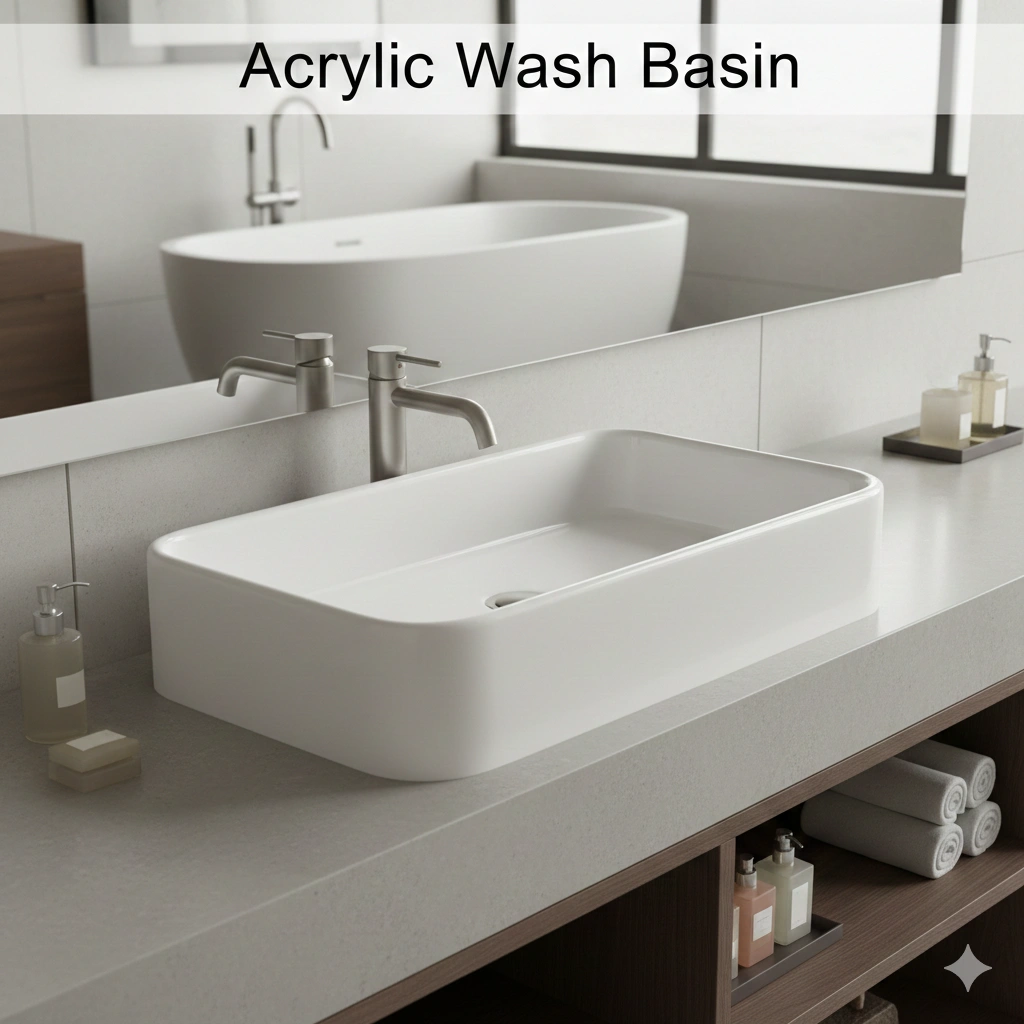
An acrylic wash basin is made from high-quality acrylic polymer, a lightweight yet durable synthetic material. Acrylic is widely used in modern interior products due to its flexibility and smooth finish.
An acrylic hand basin is typically molded into seamless shapes, allowing for contemporary designs that blend effortlessly with modern vanities. These basins are popular in homes where visual appeal and easy handling are top priorities.
Acrylic wash basins are commonly used in:
• Modern residential bathrooms
• Compact powder rooms
• Designer vanity setups
Their smooth surface and minimalist appearance make them a preferred modern bathroom wash basin choice.
What Is a Ceramic Wash Basin?
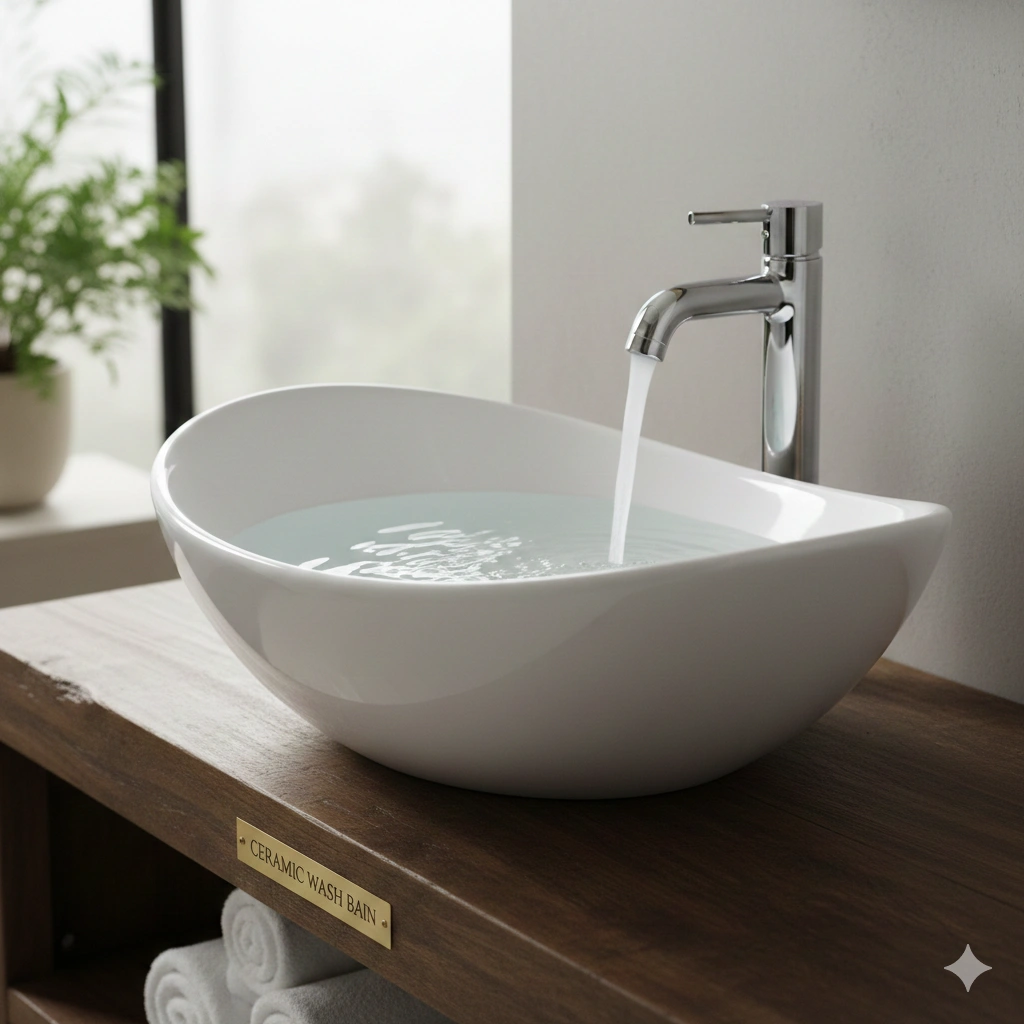
A ceramic wash basin is crafted from natural clay materials and fired at high temperatures, then coated with a protective glaze. This process gives ceramic its iconic hardness, shine, and longevity.
A ceramic basin has been a traditional bathroom staple for decades and continues to evolve with modern forms. Options like a ceramic bathroom sink, ceramic hand wash basin, or ceramic table top wash basin are widely available in both classic and contemporary styles.
Popular ceramic variants include:
• White ceramic bathroom sink
• Countertop and wall-mounted basins
• Tabletop and pedestal designs
Ceramic wash basins remain a trusted choice for durability and hygiene.
Acrylic Wash Basin: Features, Pros & Cons
Key Features of Acrylic Wash Basins
• Smooth, glossy surface finish
• Lightweight construction
• Available in various colors and modern shapes
• Seamless designs suitable for contemporary interiors
• Comfortable, warm-to-touch surface
Advantages of Acrylic Wash Basins
One of the biggest advantages of an acrylic wash basin is its modern aesthetic appeal. Acrylic allows for innovative and customized designs, making it ideal for homeowners who want a stylish and unique bathroom.
Since acrylic is lightweight, installation is easier and does not require heavy reinforcement. This makes acrylic basins an excellent option for wall-mounted units and compact spaces. An acrylic hand basin is particularly suitable for guest bathrooms where ease of use and visual appeal matter.
Acrylic basins are also more resistant to minor impacts compared to ceramic. Small bumps are less likely to cause cracks, which is an advantage in homes with children.
Limitations of Acrylic Wash Basins
Despite their advantages, acrylic basins are not as hard as ceramic. They can scratch more easily if cleaned with abrasive materials. Over time, improper maintenance may dull the surface finish.
Acrylic is also less resistant to high heat, so extremely hot water or harsh chemicals should be avoided. While acrylic basins are durable for regular use, they may not last as long as ceramic options in high-traffic or commercial environments.
Ceramic Wash Basin: Features, Pros & Cons
Key Features of Ceramic Wash Basins
• Hard, non-porous surface
• Smooth glazed finish
• Excellent stain and heat resistance
• Available in multiple styles and sizes
• Long-lasting and hygienic
Advantages of Ceramic Wash Basins
A ceramic wash basin is known for its exceptional durability. The glazed surface resists scratches, stains, and chemical damage, making it ideal for daily use. Cleaning is simple, as dirt and water marks do not easily penetrate the surface.
A white ceramic bathroom sink offers a clean, elegant look that complements almost every bathroom design. Ceramic options such as a ceramic bathroom sink, ceramic hand wash basin, or ceramic table top wash basin are widely available and suitable for both modern and traditional bathrooms.
Ceramic basins are also highly resistant to heat, making them safe for long-term use without discoloration or surface damage.
Limitations of Ceramic Wash Basins
Ceramic basins are heavy, which can make installation more complex and may require professional support. While ceramic is very hard, it is also brittle, meaning a strong impact can cause cracks or chips.
Design flexibility is another limitation. Compared to acrylic, ceramic offers fewer options in terms of unique shapes and contemporary styling.
Acrylic vs Ceramic Wash Basin: Detailed Comparison
|
Feature |
Acrylic Wash Basin |
Ceramic Wash Basin |
|
Appearance |
Sleek, modern, customizable |
Classic, elegant |
|
Weight |
Lightweight |
Heavy |
|
Durability |
Moderate |
High |
|
Scratch Resistance |
Medium |
High |
|
Heat Resistance |
Low to Medium |
High |
|
Maintenance |
Requires gentle care |
Easy to maintain |
|
Installation |
Simple |
Needs professional support |
|
Cost |
Affordable to mid-range |
Mid-range to premium |
This acrylic vs ceramic bathroom sink comparison clearly shows that each material has its own strengths depending on usage and design requirements.
Design & Aesthetic Appeal for Modern Bathrooms
Design flexibility is one of the biggest advantages of an acrylic wash basin. Acrylic allows seamless curves, thin edges, and integrated shapes that are difficult to achieve with ceramic.
Acrylic basins fit perfectly into:
• Minimalist bathroom designs
• Floating vanities
• Contemporary interiors
A ceramic wash basin, however, excels in timeless appeal. A white ceramic bathroom sink delivers a clean, premium look that never goes out of style. Modern ceramic table top wash basins also offer elegant forms suitable for luxury bathrooms.
For purely modern aesthetics, acrylic has the edge. For classic-modern balance, ceramic remains unmatched.
Maintenance & Cleaning: Which Is Easier?
Maintenance plays a crucial role in long-term satisfaction.
An acrylic wash basin is easy to clean using mild soap and a soft cloth. Harsh chemicals should be avoided, but regular maintenance is quick and simple. Minor scratches can often be polished out.
A ceramic wash basin benefits from its glazed surface, which resists stains and discoloration. A ceramic bathroom sink is easier to maintain in high-traffic bathrooms and remains glossy for years.
If low-effort cleaning is your priority, ceramic has a slight advantage. If repairability matters more, acrylic performs better.
Cost Comparison: Acrylic vs Ceramic Wash Basin
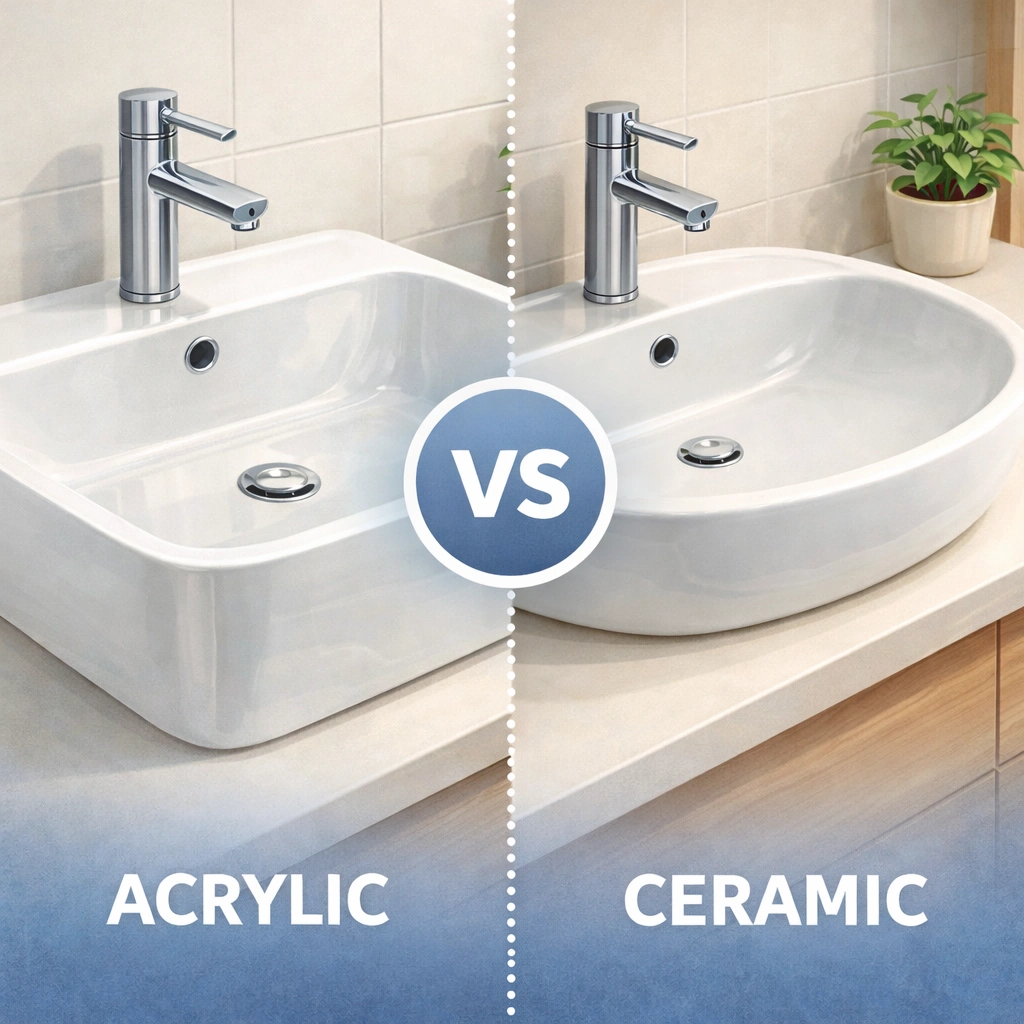
Cost varies depending on design and brand, but general trends apply.
An acrylic wash basin is often more affordable in designer shapes and modern finishes. Installation costs are also lower due to reduced weight.
A ceramic wash basin may range from budget to premium pricing. High-quality ceramic table top wash basins often cost more but justify the price with longevity.
In terms of value:
• Acrylic offers design flexibility at lower cost
• Ceramic offers long-term durability and classic appeal
Which Wash Basin Is Better for Modern Bathrooms?
For ultra-modern interiors, acrylic wash basins offer unmatched design freedom. They suit compact bathrooms and contemporary vanity units.
For premium, long-term usage, ceramic wash basins provide durability, hygiene, and timeless appeal.
Your final choice should align with:
• Bathroom size
• Usage frequency
• Design preference
• Installation constraints
Common Mistakes to Avoid When Choosing a Wash Basin
Many buyers focus only on looks and ignore installation needs. Others choose heavy ceramic basins without checking wall strength.
Ignoring cleaning requirements or daily usage patterns can also lead to dissatisfaction. Always balance aesthetics with practicality.
Bluecera llp: Trusted Brand for Ceramic Wash Basins
Bluecera llp is a trusted sanitaryware brand known for delivering reliable, well-crafted wash basin solutions for modern bathrooms. With a strong focus on material quality and functional design, the brand offers ceramic wash basin options that balance durability, hygiene, and contemporary aesthetics.
Each ceramic bathroom sink is developed with attention to surface finish, ease of maintenance, and long-term performance, making Bluecera llp a dependable choice for residential and project-based bathroom applications. The brand’s commitment to consistent quality standards ensures wash basins that meet modern usage expectations without compromising on design.
Acrylic vs Ceramic Wash Basin: Final Verdict
Both acrylic wash basins and ceramic wash basins have their place in a modern bathroom. Acrylic basins stand out for their contemporary design, lightweight structure, and ease of installation. Ceramic basins, on the other hand, excel in durability, hygiene, and long-term performance.
If you want a stylish and modern look with flexibility in design, acrylic is an excellent choice. If durability, ease of maintenance, and timeless appeal matter more, ceramic is the better option. Carefully evaluate your space, budget, and daily usage to select the perfect modern bathroom wash basin.
FAQs
1. Which wash basin lasts longer?
A ceramic wash basin typically lasts longer due to its hard surface, but acrylic performs well with proper care.
2. Are acrylic hand basins suitable for daily use?
Yes, acrylic hand basins are suitable for daily residential use when maintained properly.
3. Which is easier to clean: acrylic or ceramic?
Ceramic is slightly easier to clean due to its glazed surface, but acrylic is also low maintenance.
4. Which wash basin is best for a modern bathroom?
For sleek, contemporary interiors, an acrylic wash basin fits better. For classic modern styles, ceramic remains ideal.